November 04, 2026 | Baghdad
IKBC Holds Board of Directors Meeting
Iraq Korea Business Council Holds Board of Directors Meeting to Strengthen Institutional Development and Bilateral Economic Relations
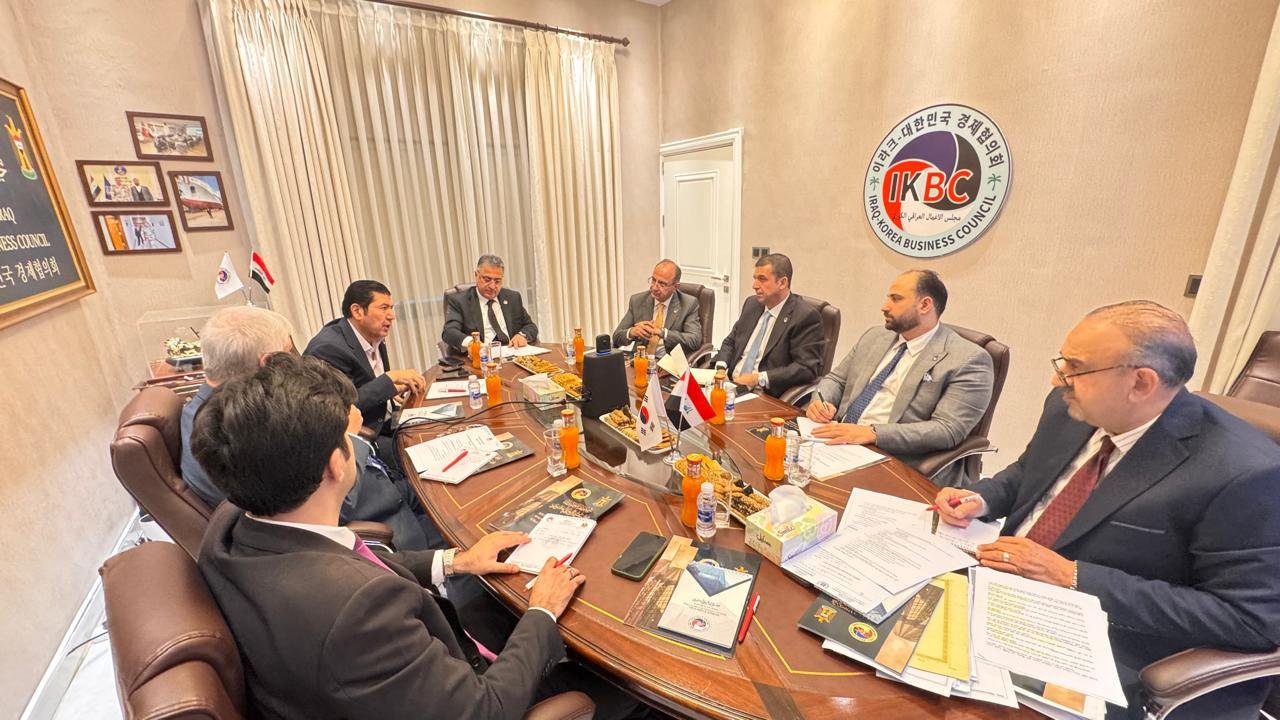
The Iraq Korea Business Council (IKBC) held a meeting of its Board of Directors on Wednesday, November 4, 2026, chaired by Mr. Ahmed Shaban, Chairman of the Council, and attended by Dr. Osama Al-Quraishi, Vice Chairman of the Council, along with several Board members and representatives of relevant institutions and entities from both Iraq and South Korea. The meeting was held as part of the Council’s ongoing efforts to strengthen economic, trade, and investment relations between the Republic of Iraq and the Republic of Korea, and to further develop prospects for joint cooperation in a manner that serves the economic interests of both countries.
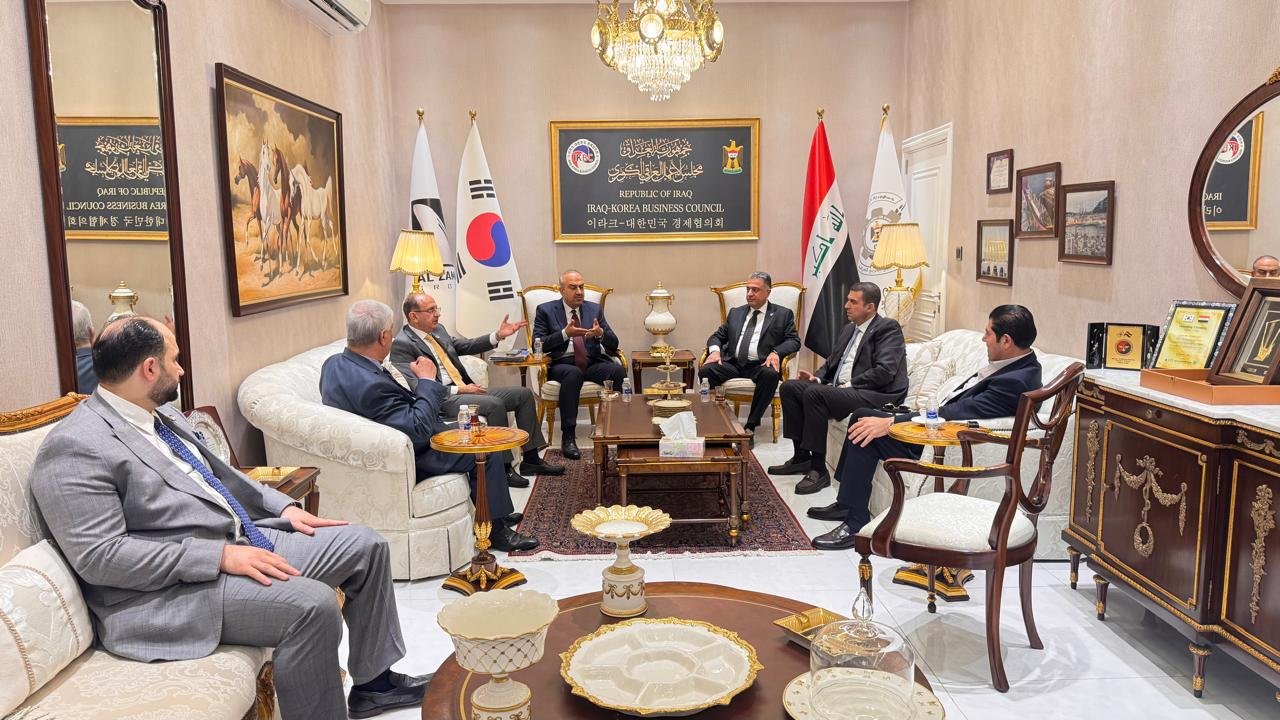
The meeting was attended by Council members Mr. Ali Tariq Al-Rubaie, Mr. Mohammed Abd Mohammed, and Mr. Mohammed Abdul Amir Sadiq, alongside Dr. Raed Nizar, representing the Federation of Iraqi Chambers of Commerce, and Mr. Safaa Al-Hariri, Business Development Manager at Hyundai in Iraq. Participating via videoconference (Zoom) were Dr. Odey Mohammed Mezal, Commercial Attaché at the Embassy of the Republic of Iraq in South Korea, as well as Council members Mr. Hussam Salah Karim and Mr. Hassan Majid Mouzan, and representatives of the Iraq Korea Business Council’s office in South Korea.
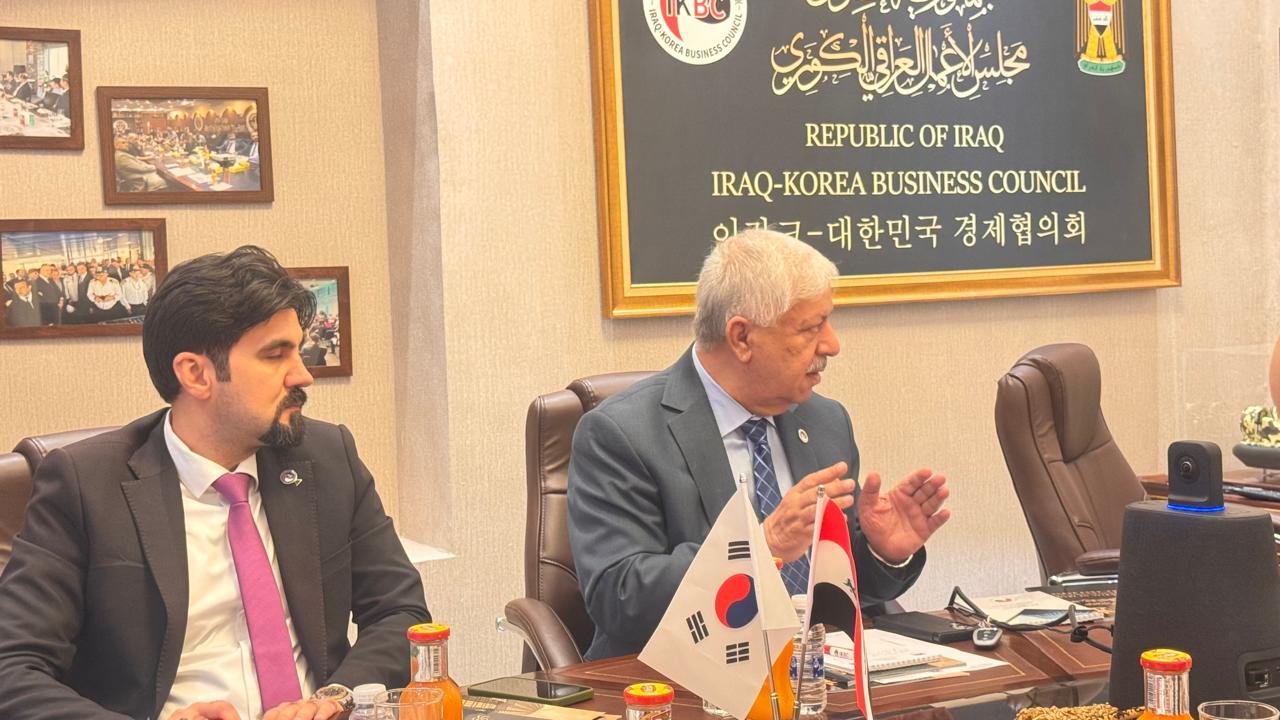
Mr. Amer Al-Fahdawi was also briefed on the key activities of the Iraq Korea Business Council, as well as the efforts undertaken by the Council to build bridges of communication between the business communities of the two countries and promote opportunities for cooperation and partnership across various economic and commercial sectors.
The meeting was held under the theme “From the Establishment Phase to the Phase of Achievement and Economic and Investment Cooperation,” reflecting the Council’s direction toward strengthening its institutional role and transitioning to a more effective phase in implementing programs and initiatives aimed at expanding economic cooperation between the two countries and capitalizing on the capabilities and opportunities available within the public and private sectors in Iraq and South Korea.
The meeting reviewed the Council’s key activities during the previous period and the efforts undertaken to develop channels of communication and coordination with economic, commercial, and investment entities in both countries. It also addressed future directions aimed at strengthening the Council’s position as a platform for engagement between the Iraqi and Korean business communities and contributing to the creation of a favorable environment for establishing sustainable economic and commercial partnerships.
Participants also discussed the importance of expanding areas of economic and investment cooperation and promoting investment opportunities available in Iraq, particularly in sectors of interest to Korean companies. Such efforts are intended to encourage joint investments, facilitate the transfer of expertise and technology, and develop direct relations between companies and economic institutions in both countries.
In this context, the meeting addressed the importance of the Council’s participation in international events, including its participation in OFFSHORE KOREA 2026 in Busan, South Korea, as well as activities associated with international exhibitions and economic forums, including the Baghdad International Fair. These events provide opportunities to showcase Iraq’s economic and investment potential and strengthen direct engagement between business leaders, investors, and specialized companies from both sides.
The topics discussed highlighted the importance of leveraging such participation to build broader professional and commercial relationships and encourage the organization of bilateral meetings between Iraqi and Korean companies. These meetings would facilitate the exchange of information and expertise, explore opportunities for cooperation in investment and commercial projects, and enhance opportunities for Korean companies to enter the Iraqi market and establish partnerships with their Iraqi counterparts.
The meeting also addressed the importance of maintaining continuous coordination with government entities, economic institutions, and federations and chambers of commerce in both countries. Such coordination would strengthen the integration of official efforts and private-sector initiatives, contribute to developing mechanisms for cooperation and exchanging information on projects and investment opportunities, and support initiatives aimed at expanding the volume of trade and investment between Iraq and South Korea.
In this regard, the meeting highlighted the important role played by the IKBC in building bridges of communication between Iraqi and Korean institutions and companies and establishing effective channels for dialogue and coordination. These efforts would help translate available opportunities for cooperation into practical projects and partnerships that contribute to economic development and strengthen bilateral relations.
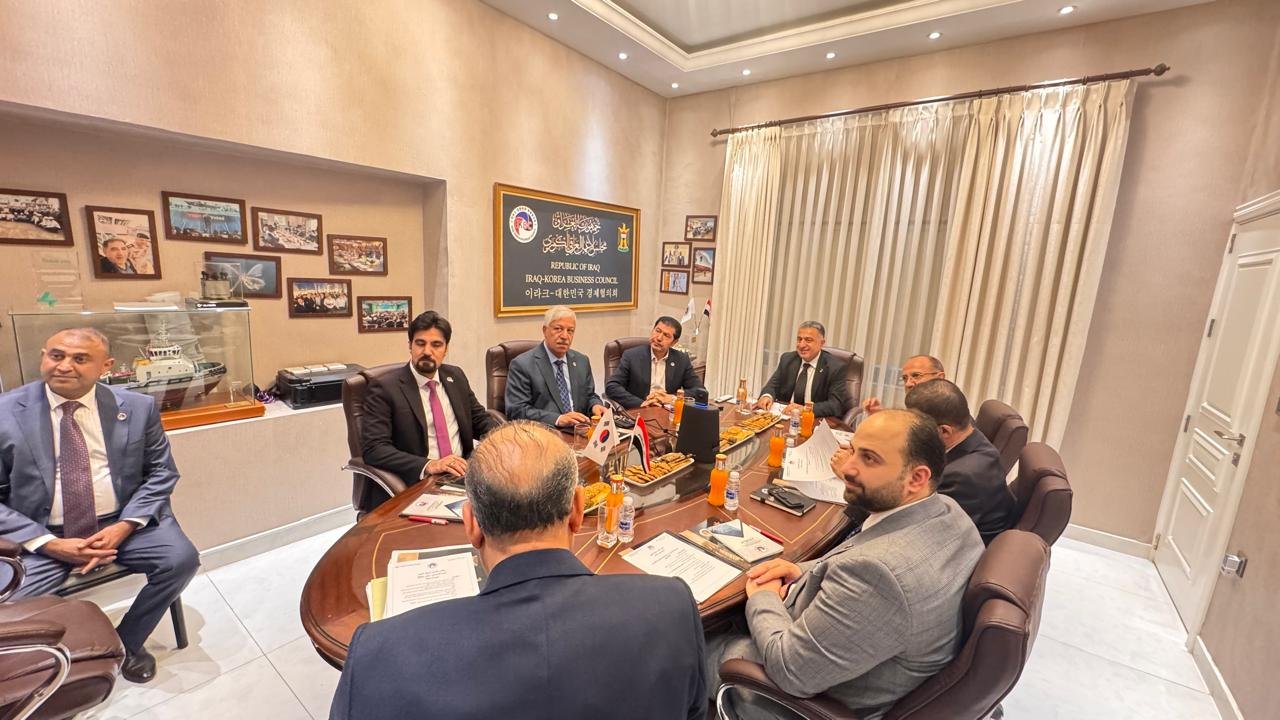
The meeting’s agenda also included discussions on ways to develop the Council’s institutional operations and strengthen coordination among its members, specialized committees, and offices in Iraq and South Korea. These efforts are aligned with the Council’s objectives and future aspirations and are intended to help unify efforts and advance economic, commercial, and investment initiatives and activities during the coming period.
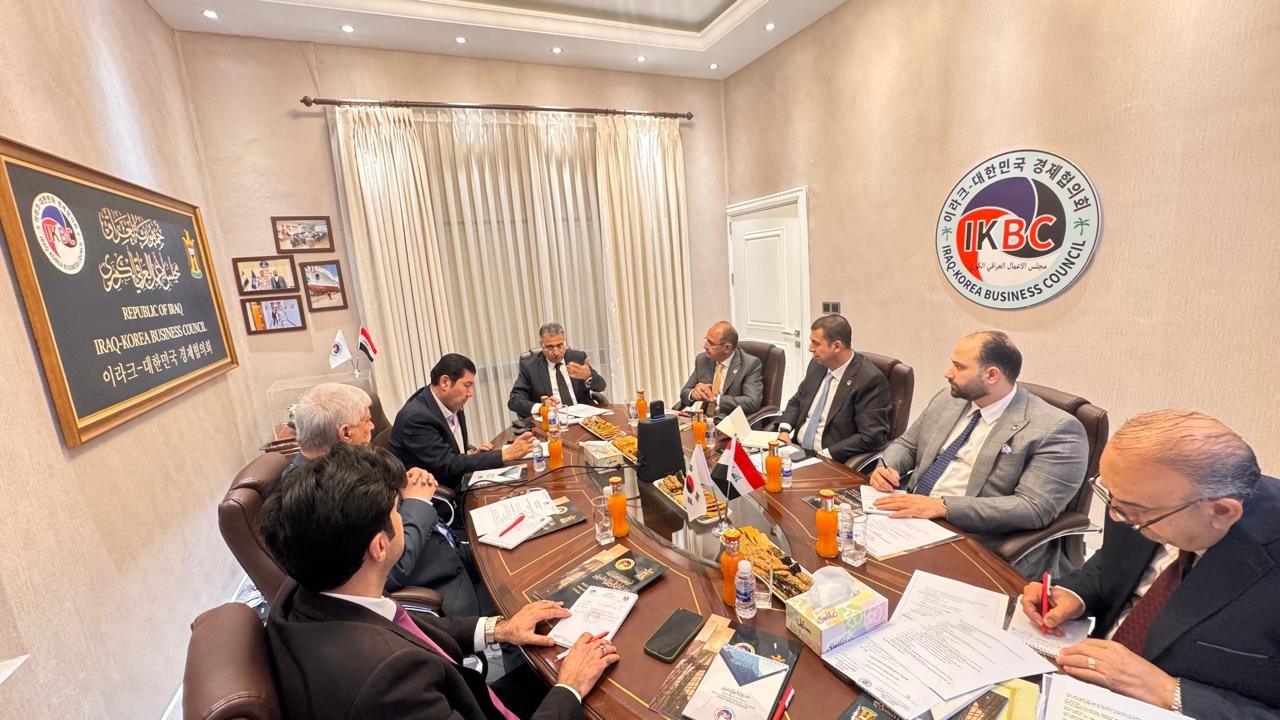
The Board of Directors meeting was held as part of the IKBC commitment to continuing its activities, developing relations with relevant partners and economic institutions, and consolidating its role in supporting cooperation between the Iraqi private sector and its Korean counterpart, in line with efforts to strengthen economic, trade, and investment relations between the Republic of Iraq and the Republic of Korea.
Through its continued meetings and activities, the Council reaffirms its commitment to building effective and sustainable economic partnerships, strengthening communication between business leaders and investors in both countries, and contributing to opening new avenues for joint cooperation that serve mutual interests and support economic and investment development.